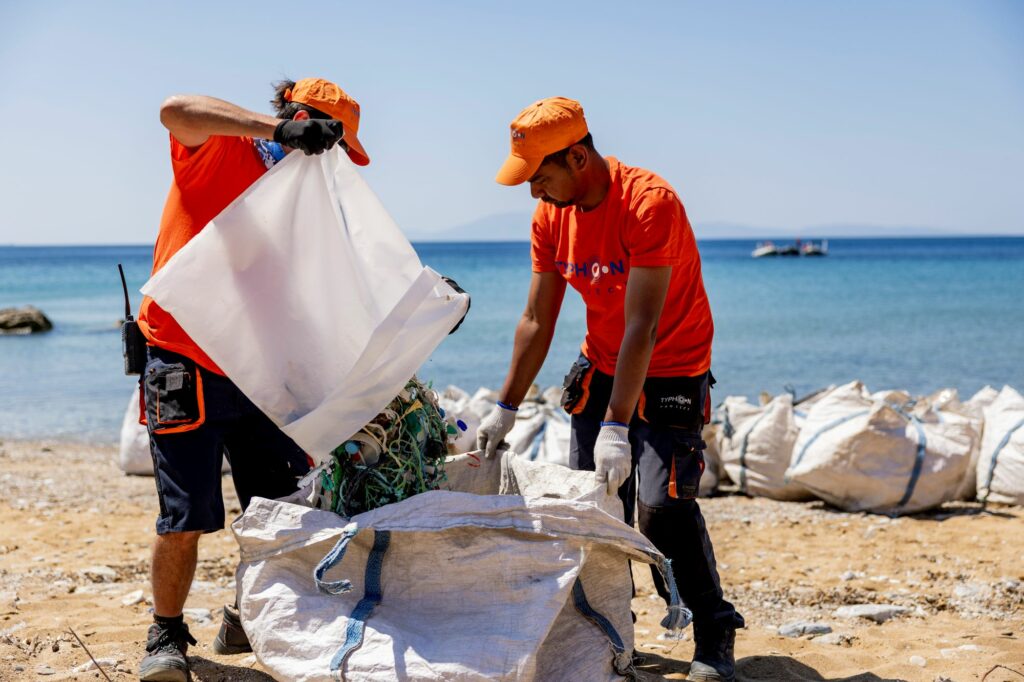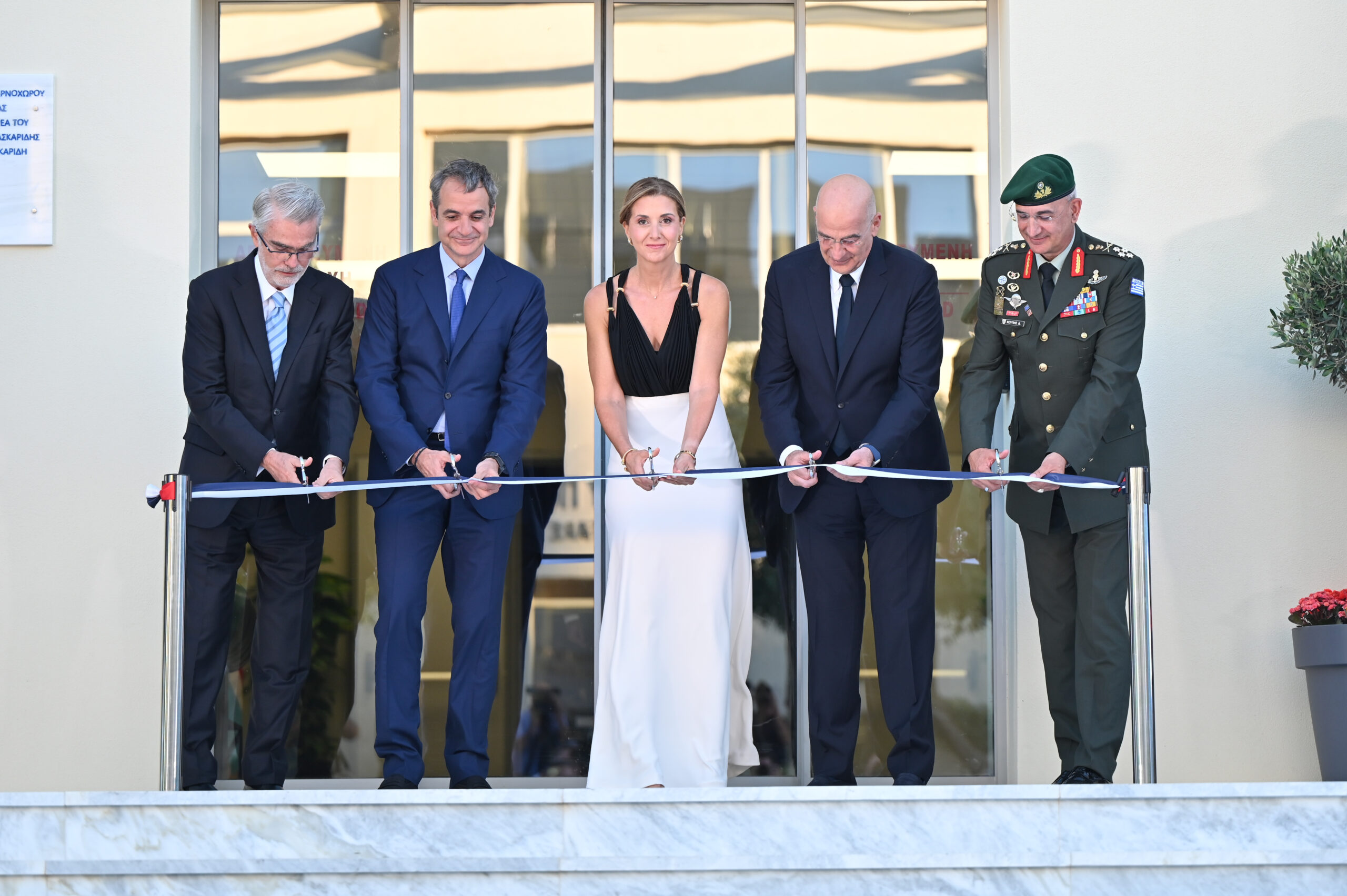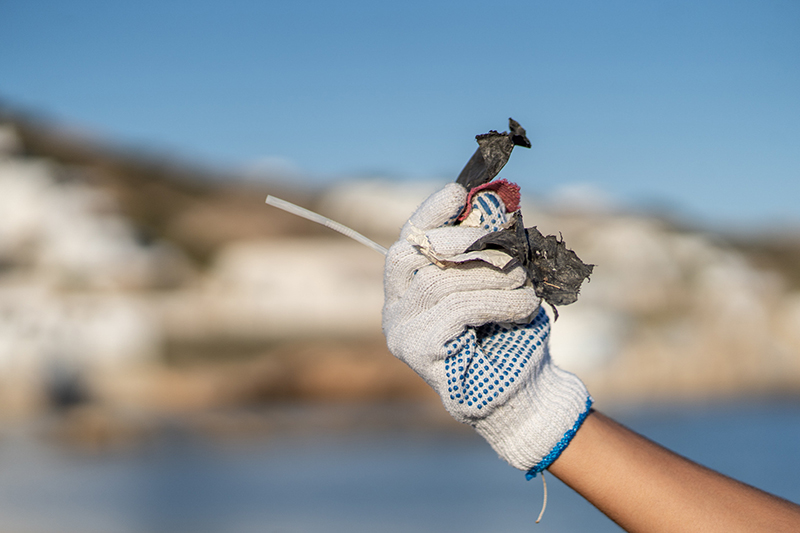
The Typhoon Project of the Athanasios C. Laskaridis Charitable Foundation is marking seven years of continuous presence along the Greek coastline. From 2019 to the present, the program has been operating 365 days a year, combining cleanups of hard-to-reach and inaccessible coastlines, scientific research, and systematic data collection, with the goal not only of removing waste but also of gaining a better understanding of coastal and marine pollution.

The program is currently in its second cleanup cycle, and to date, a total of more than 25.8 million pieces of trash have been removed, weighing more than 1.1 million kilograms and filling 1,638 containers, from nearly 5,000 hard-to-reach beaches throughout Greece.
From these seven years of action, seven important lessons have emerged:
- A consistent presence yields results
Coastal protection is not a matter of a single intervention. On beaches where the Typhoon Project returns, an average improvement of 80% is recorded, proving that consistency and repetition have a substantial environmental impact.
- There is no such thing as “far away”
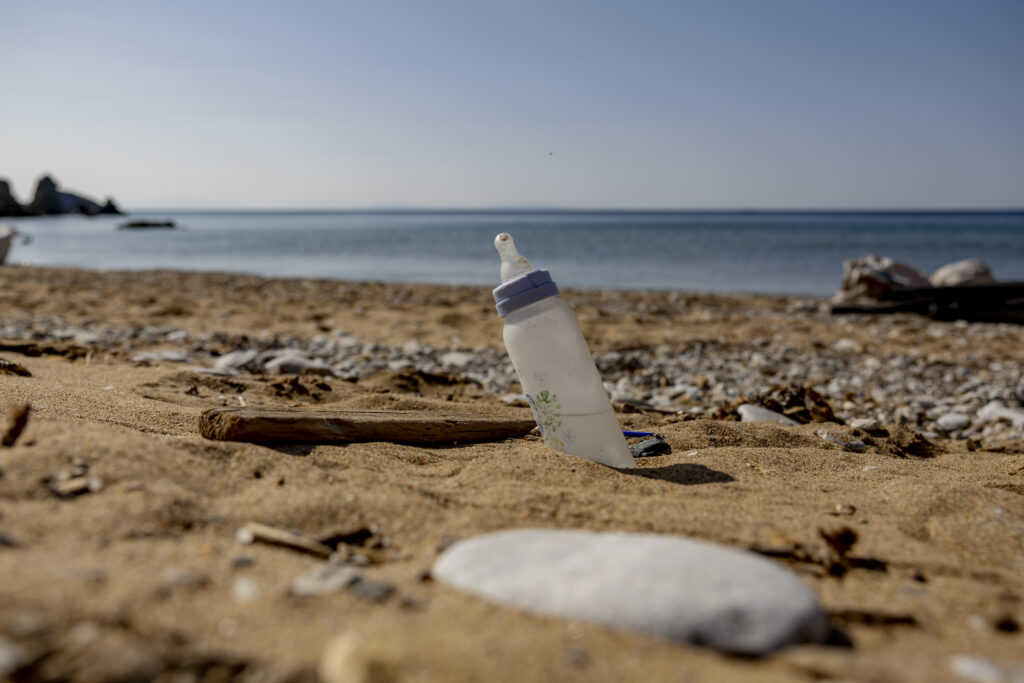
Marine pollution knows no borders. An item discarded in an urban area can, via ocean currents, travel long distances and end up on distant shores. The situation observed on Greek beaches proves that responsibility for pollution is a collective one.
- “Microplastics” are a huge problem
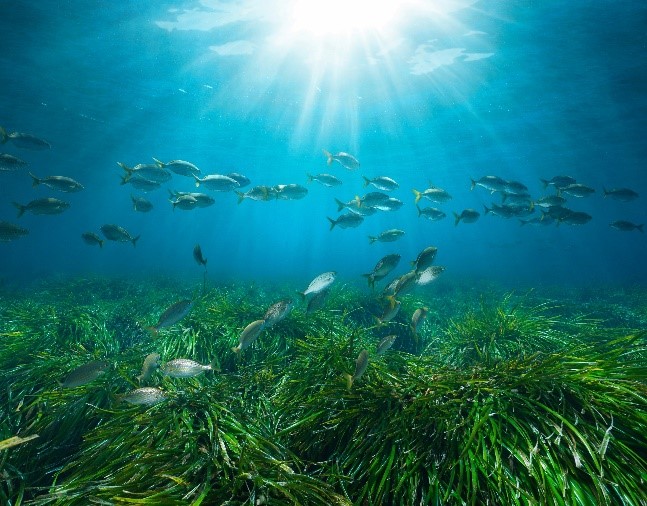
As plastics break down into smaller pieces, they become harder to detect and remove from the environment. At the same time, it remains in ecosystems for decades, affecting marine life and the quality of coastal areas.
- Every beach tells a story
The litter found at each location reveals human activities, consumption habits, and the specific pressures each area faces. Shores act as a “mirror” of what is happening both at sea and on land.
- The data is invaluable
Every field recording contributes to the creation of a unique knowledge base on marine pollution. The Typhoon Project has created the largest database of coastal litter in the Mediterranean, providing a valuable tool for scientific research and evidence-based policymaking.
- Collaboration multiplies the impact
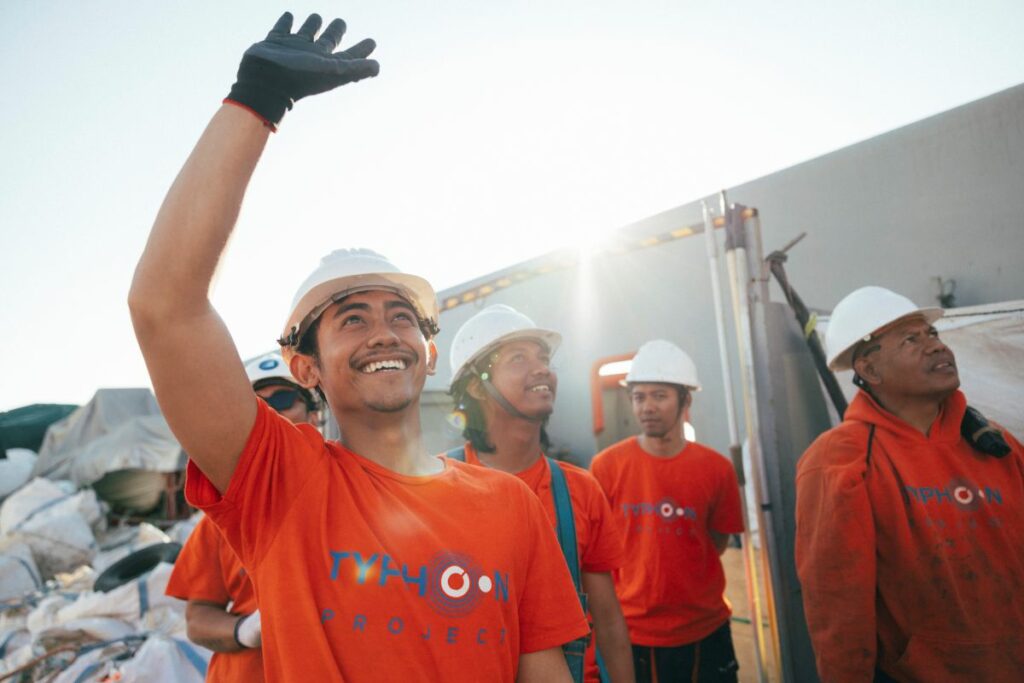
Universities, research institutions, local communities, and organizations are an integral part of this effort. Through collaborations in Greece and abroad, the project’s data and experience are leveraged to develop new applications and innovative solutions.
- Cleanups are just the beginning
Removing waste is essential, but it is not enough on its own. The real goal is to change mindsets, prevent pollution, and foster a different relationship with the marine environment. For this reason, the Typhoon Project serves as a platform that supports broader initiatives in research, environmental education, and citizen engagement.
With seven years of uninterrupted presence at sea, the Typhoon Project continues to demonstrate that tackling coastal and marine pollution requires perseverance, knowledge, and collaboration. And above all, that every clean coastline is the result of a long-term commitment to the environment and future generations.