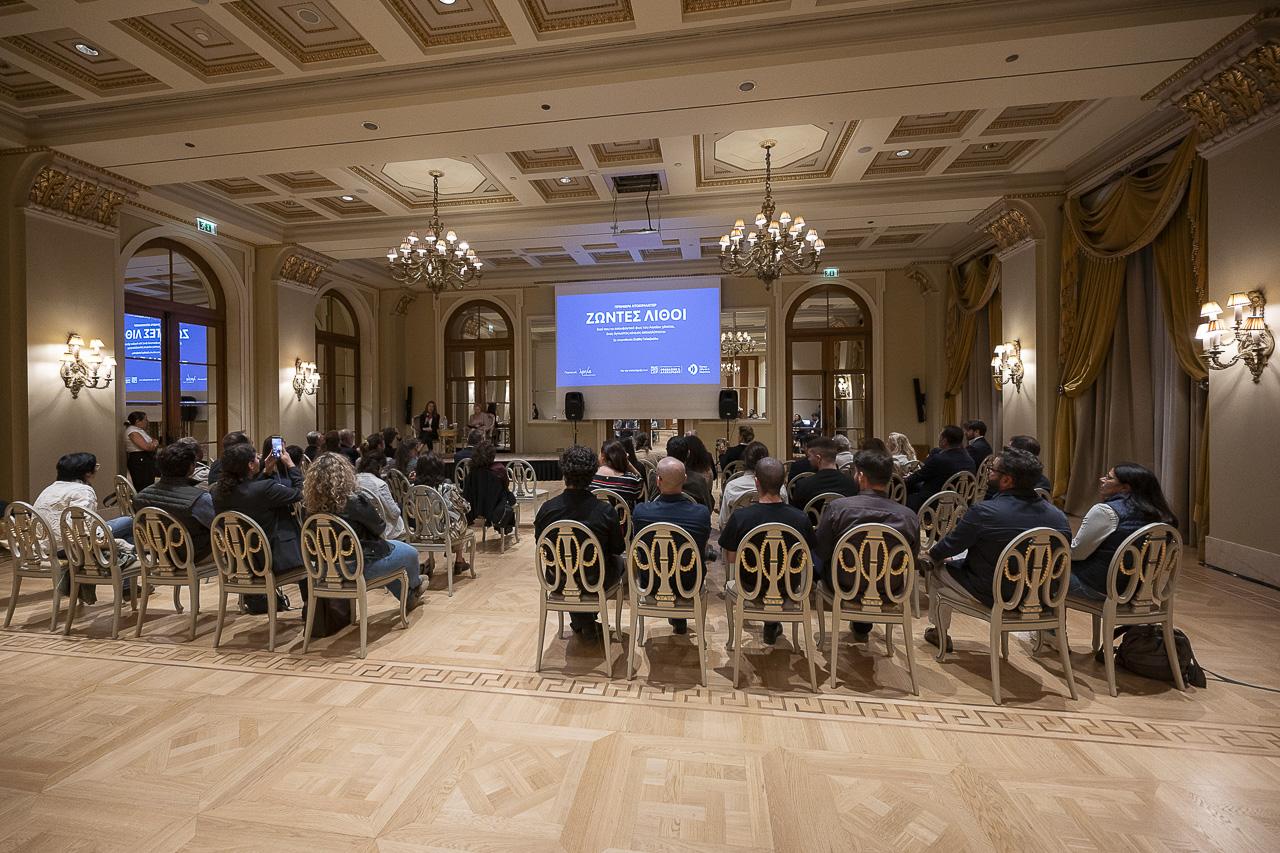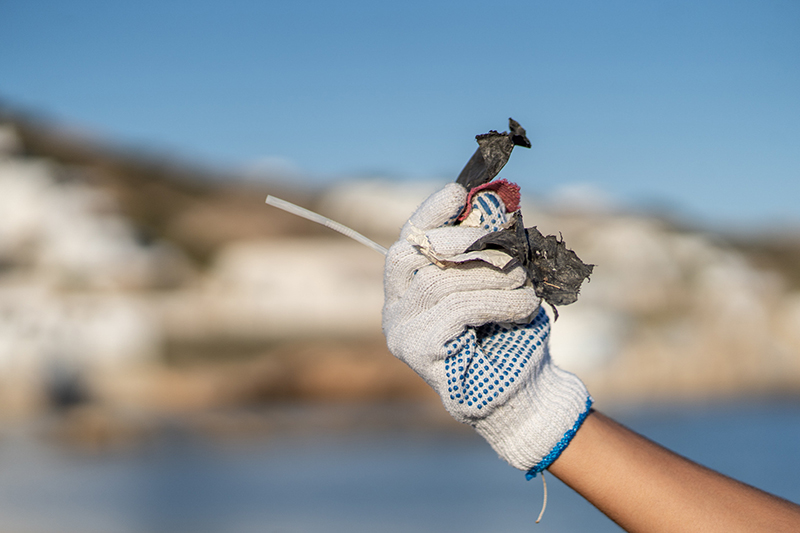
The Posidonia Project, one of Greece’s most important initiatives for the protection of Posidonia oceanica seagrass meadows, is entering a new phase of development under the stewardship of the Athanasios C. Laskaridis Charitable Foundation. The programme succeeds the pioneering Vodafone Posidonia initiative, ensuring the continuation and expansion of a scientific effort that has significantly advanced knowledge of and protection of one of the Mediterranean’s most valuable ecosystems.
The transition marks more than a change of name. It represents a long-term commitment to safeguarding and strengthening a programme that has already delivered important scientific insights while raising public awareness of the critical role of seagrass ecosystems in the health of Greece’s seas.
The Posidonia Project focuses on the mapping, monitoring and protection of Posidonia oceanica meadows, highlighting their vital contribution to marine biodiversity, coastal resilience, water quality and climate change mitigation.
As part of the Foundation’s broader marine conservation strategy, the initiative joins a portfolio of programmes dedicated to protecting the Greek marine environment. Together with the Typhoon Project, the Cyclone Project and the Saronicos Project, it contributes to an integrated ecosystem of scientific research, field action, innovation and environmental education.
A Commitment to Continuity
Evi Lazou-Laskaridis, President of the Athanasios C. Laskaridis Charitable Foundation, said:
“The greatest challenge in environmental protection is not launching a programme; it is ensuring its continuity.
Over the past few years, the Posidonia Project has demonstrated both scientific excellence and social value. We are honoured, but also deeply conscious of the responsibility, to carry this work forward.
Our aim is to build on what has already been achieved and, drawing on the Foundation’s experience, partnerships and long-standing commitment to the Greek sea, to expand the programme’s reach and strengthen its scientific impact.
We firmly believe that meaningful environmental initiatives do not belong to a single organisation. They belong to society. When the right conditions exist, they should continue to grow, evolve and be supported by those best positioned to advance their mission.
This is our commitment to the Posidonia Project and to the future of Greece’s marine environment.”
Scientific Excellence and Long-Term Research
The programme’s principal scientific partner remains Oceanus Lab at the University of Patras, led by Professor George Papatheodorou. The collaboration has already generated significant results in the assessment and monitoring of Posidonia meadows through the use of cutting-edge technologies and citizen science initiatives.
According to Professor George Papatheodorou:
“The continuation of this research programme, combined with a strong public awareness campaign, represents an exceptionally important development. Long-term, systematic and consistent research has always been a fundamental requirement for understanding and protecting Greece’s marine environment.
To date, the programme has mapped 830 square kilometres of seabed across the Cyclades and the Saronic Gulf, while completing detailed mapping of approximately 250 square kilometres of Posidonia meadows—around 10% of their estimated national extent. It has also identified and assessed the principal human pressures affecting these habitats, creating a strong foundation for future conservation and management policies.
Expanding this effort will be instrumental in building the scientific knowledge required for the long-term protection and sustainable management of these invaluable marine ecosystems.”
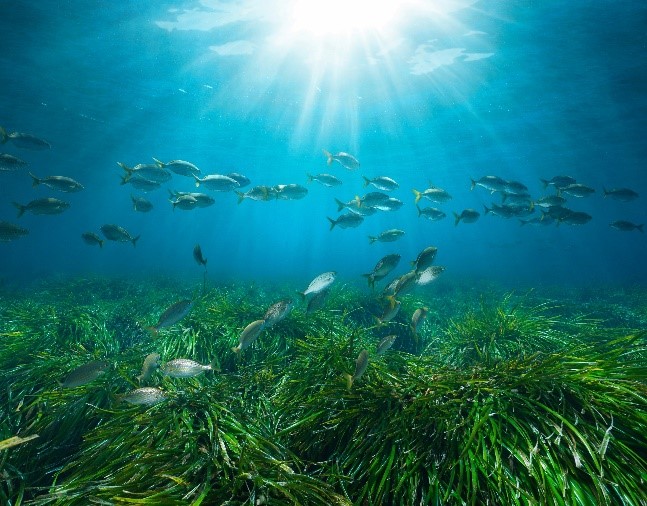
Posidonia: The Mediterranean’s Underwater Forest
Posidonia meadows are among the Mediterranean’s most important ecosystems. Often described as underwater forests, they provide habitat for thousands of marine species, protect coastlines from erosion, improve water quality and capture significant amounts of carbon, making them a powerful natural ally in addressing climate change.
Yet these ecosystems face growing pressure from human activities and the impacts of the climate crisis. Their systematic monitoring and protection are essential for maintaining the health of Greece’s seas and the wellbeing of coastal communities.