An initiative of the Athanasios C. Laskaridis Charitable Foundation aimed at bringing together the people and organizations working to protect Greece’s seas
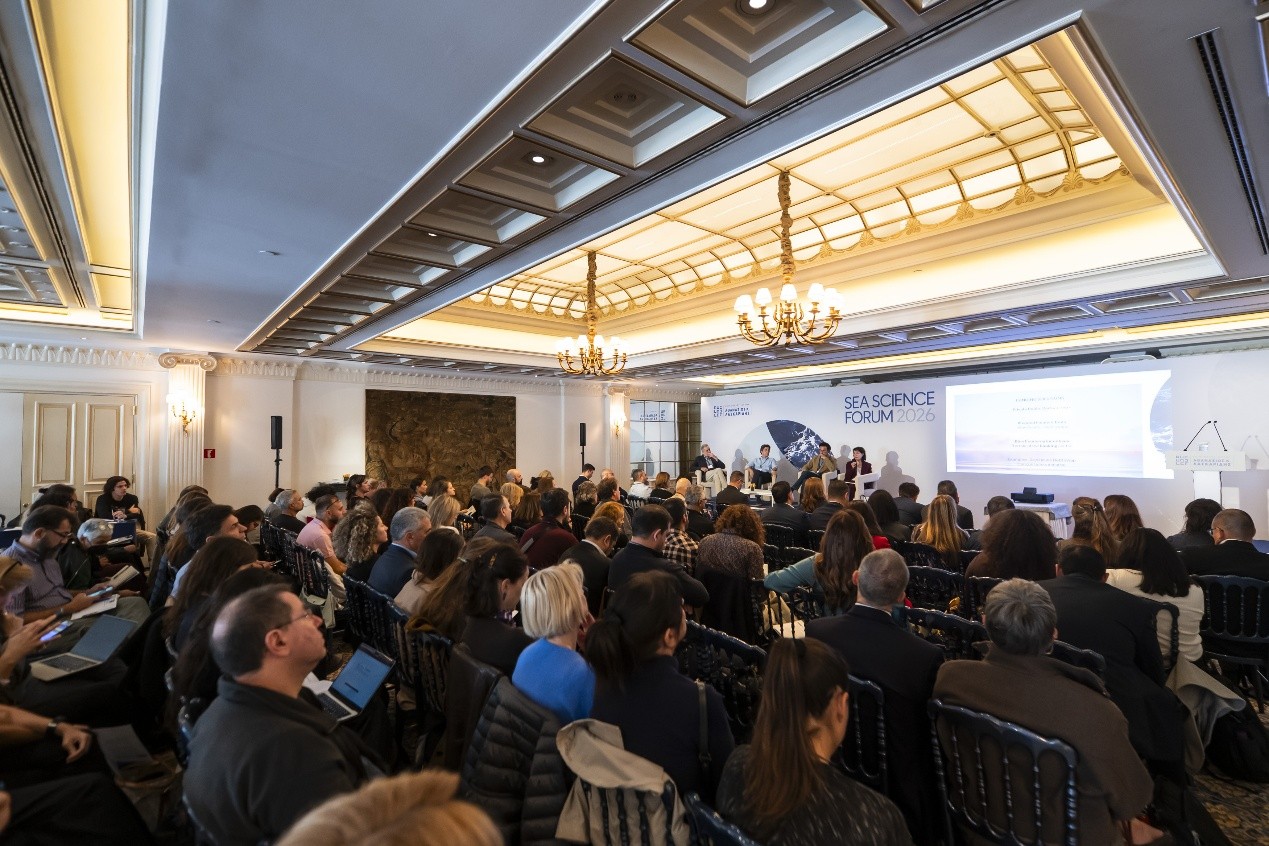
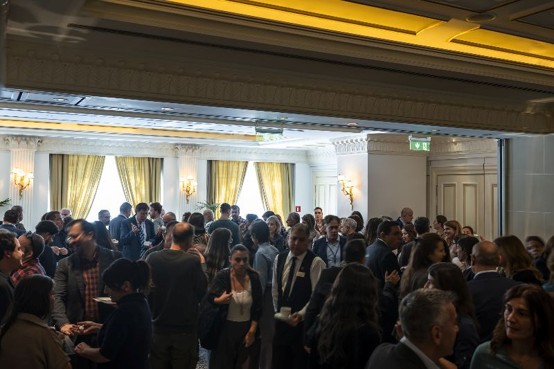
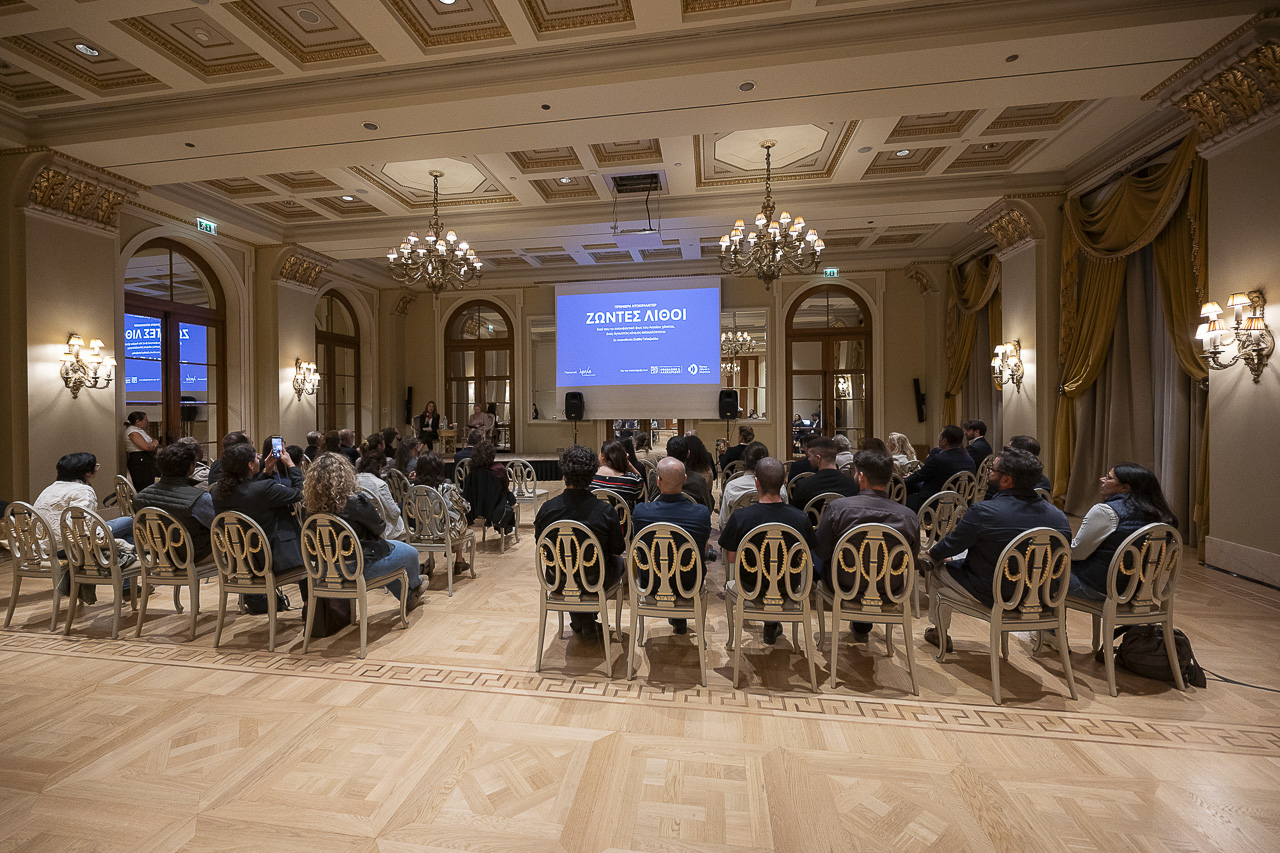
With the central theme “Science in the Service of the Sea,” the first Sea Science Forum – an initiative of the Athanasios C. Laskaridis Charitable Foundation – brought together more than 150 participants and 44 speakers from the scientific community, government, civil society, and the philanthropic sector. The Forum served as a common meeting place, exchange of knowledge, and meaningful dialogue, bringing together for the first time organizations active in the research, management, and protection of the marine environment, with the aim of better understanding and protecting the Greek seas.
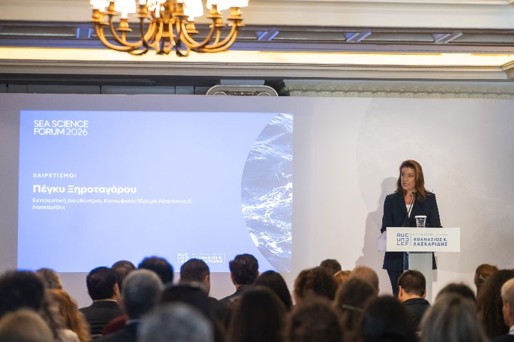
Peggy Xirotagarou, the Foundation’s Executive Director, emphasized that:
“Greece has the scientific knowledge, the expertise, and the people to effectively protect its seas. What is needed is for us to join forces and turn knowledge into action. This is precisely the ambition of the Sea Science Forum.”
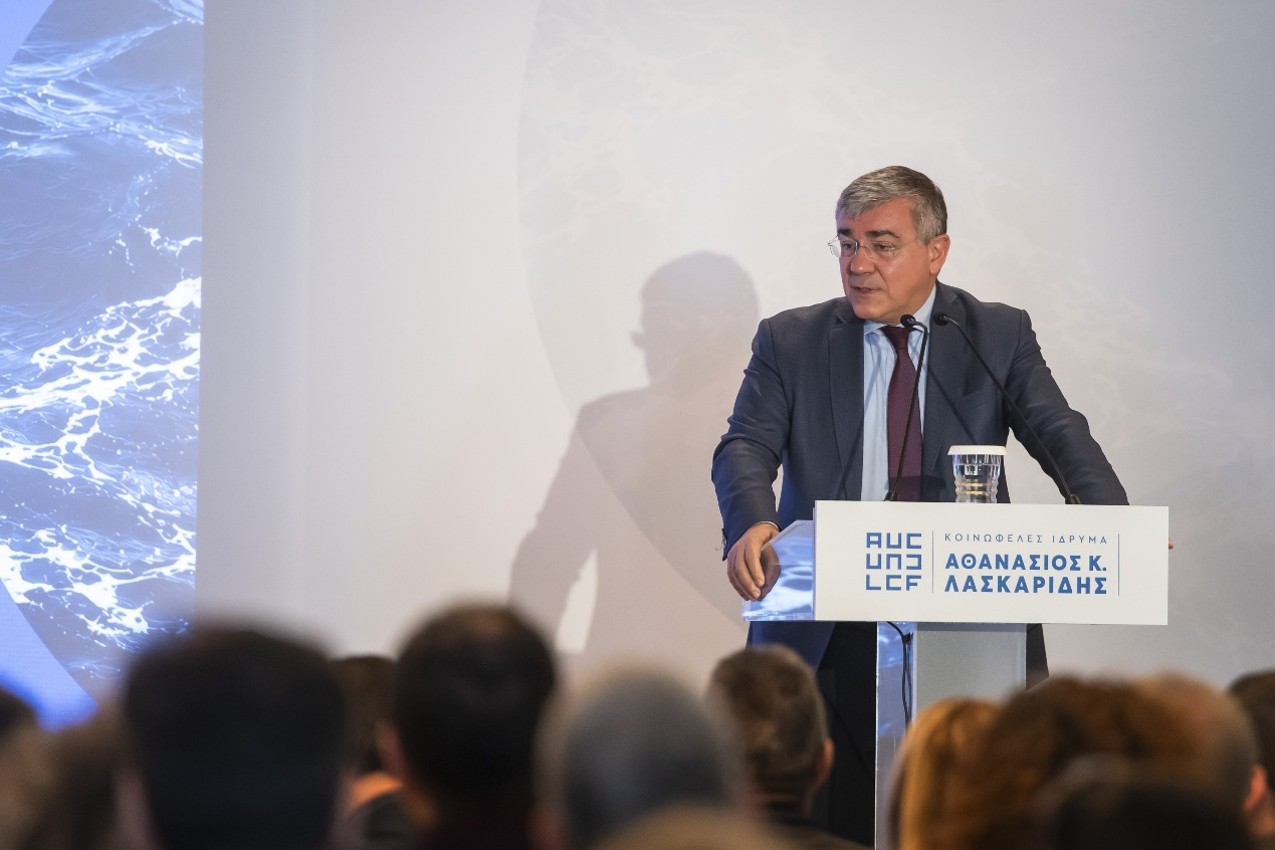
In his remarks, Manolis Grafakos, Secretary General for Waste Management Coordination at the Ministry of Environment and Energy, underscored the importance of linking scientific knowledge with public policy, emphasizing that initiatives such as the Sea Science Forum create the conditions for meaningful dialogue and joint action.
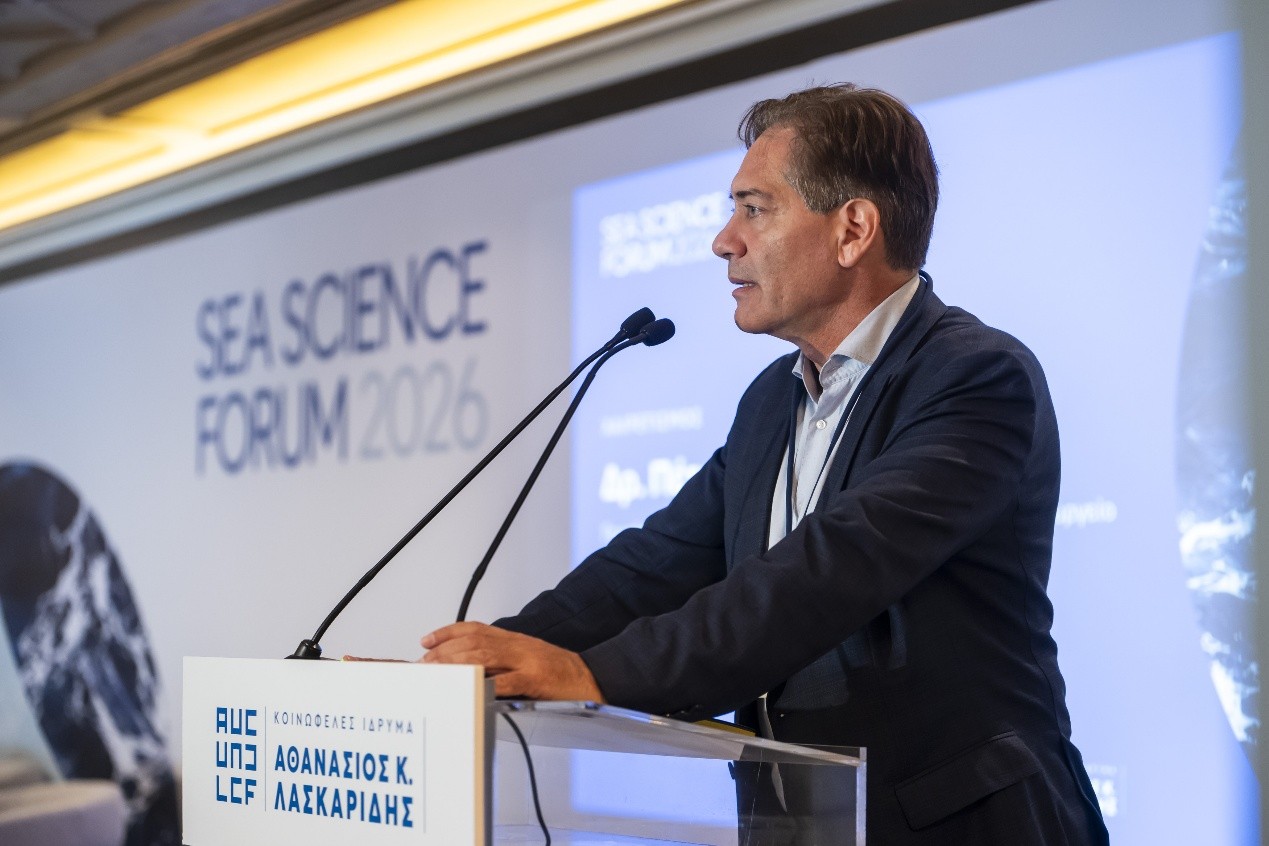
Petros Varelidis, Secretary General for the Natural Environment and Water at the Ministry of Environment and Energy, emphasized the importance of continuous monitoring of the marine environment, the use of new technologies, and the collection of reliable data, emphasizing the need to create a robust knowledge hub for the Greek seas.
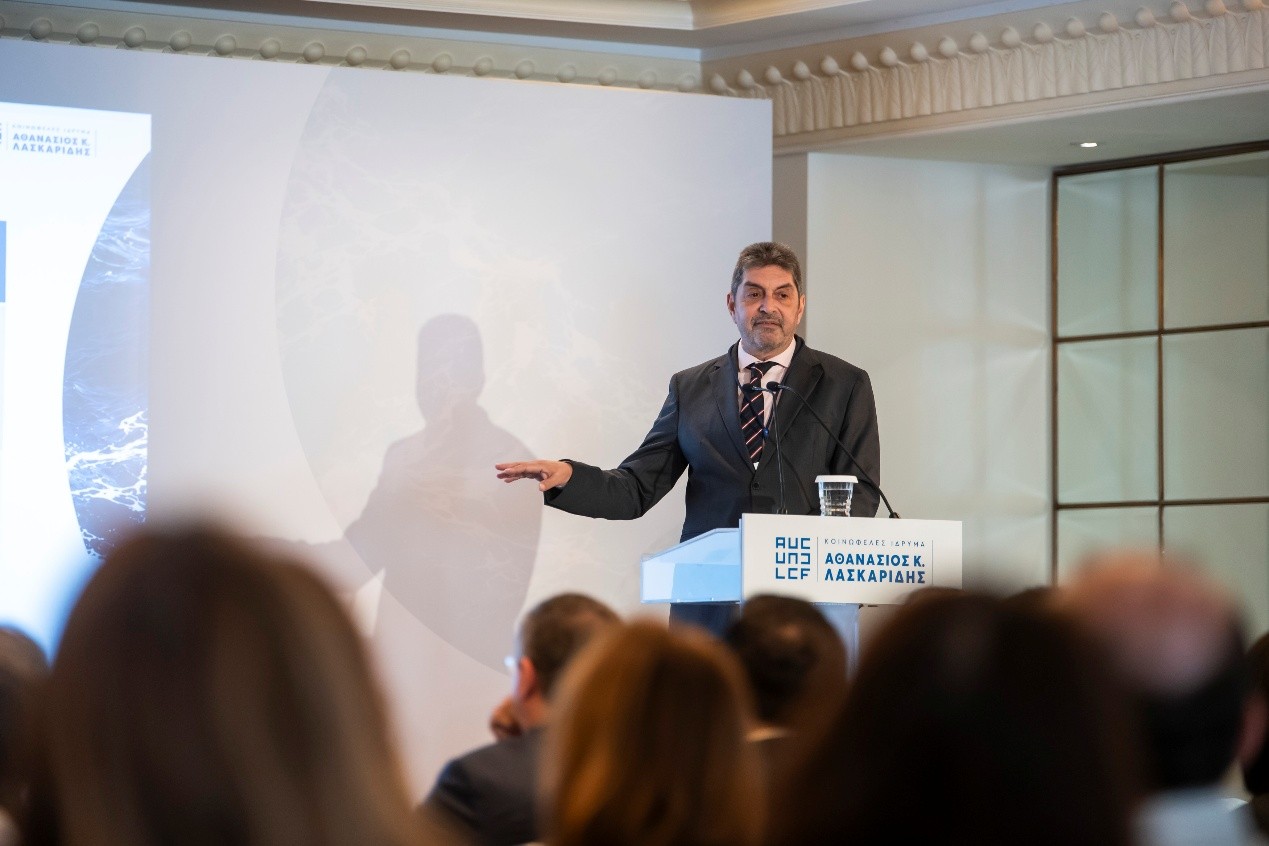
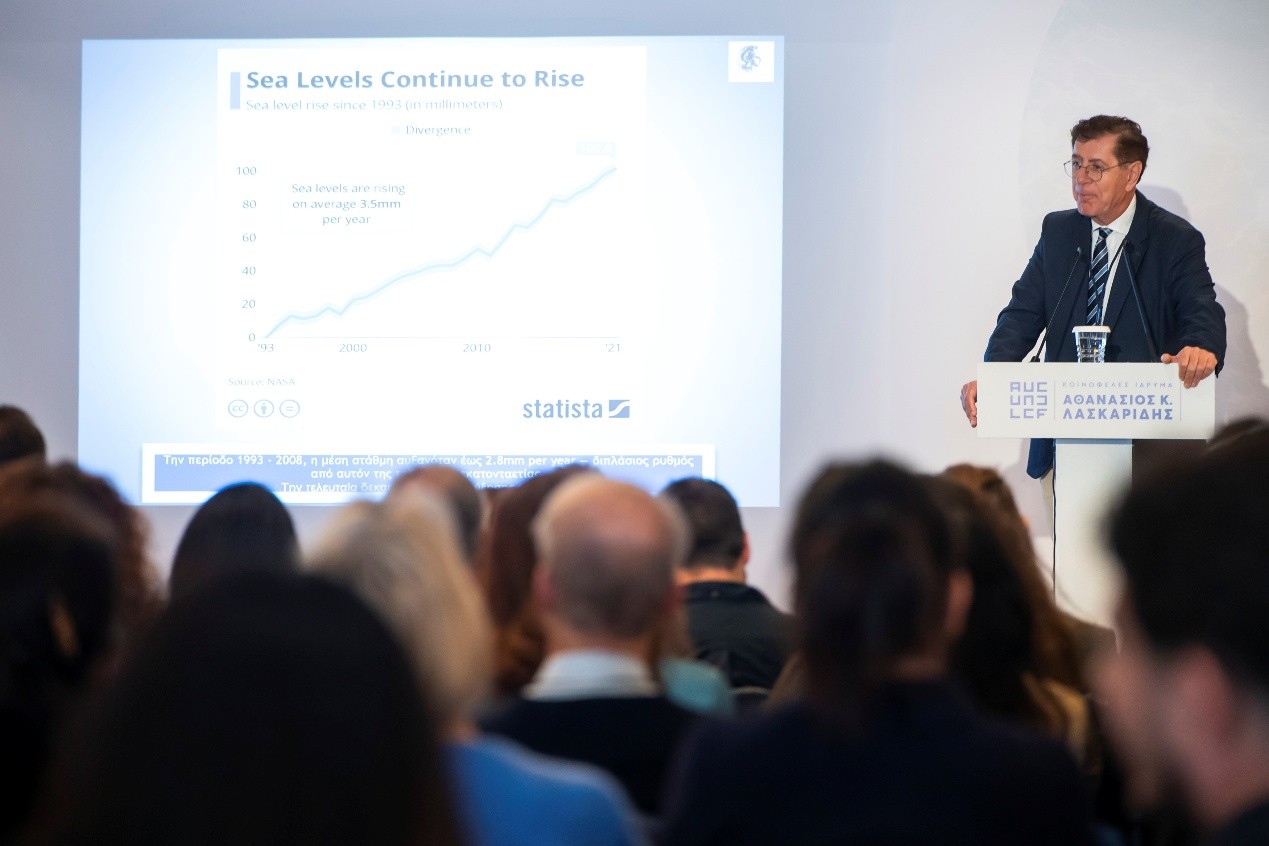
The keynote speeches by Aristomenis Karageorgis, Chairman of the Board of Directors and Director of Hellenic Centre for Marine Research (HCMR), and Konstantinos Synolakis, a member of the Academy of Athens, who highlighted the crucial role of scientific data, marine monitoring, and understanding the impacts of climate change.
Several common conclusions emerged from the Forum’s six thematic sessions: that we still know less than we should about the state of Greece’s seas; that systematic mapping and the collection of reliable scientific data are prerequisites for effective protection policies; and that cooperation among research institutions, public administration, and civil society is essential for addressing the challenges facing the marine environment.
The Forum hosted Maria Damanaki, former European Commissioner for Maritime Affairs and Fisheries, as well as representatives from Hellenic Centre for Marine Research (HCMR), WWF Greece, HELMEPA, NECCA, the Institute of Underwater Archaeological Research, the Universities of Patras, the Aegean, the Ionian University, and the University of Crete, as well as the Athens University of Economics and Business, research centers, the Athina I. Martinou Foundation, environmental organizations, and international organizations active in the research and protection of the marine environment.
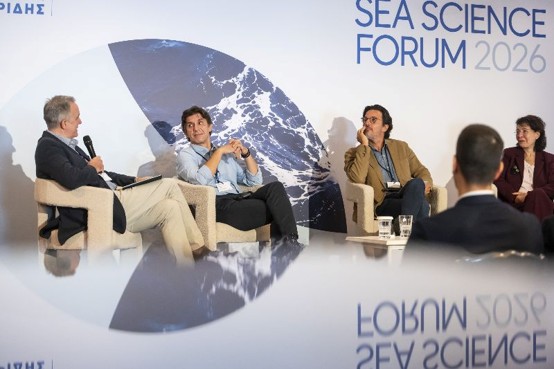
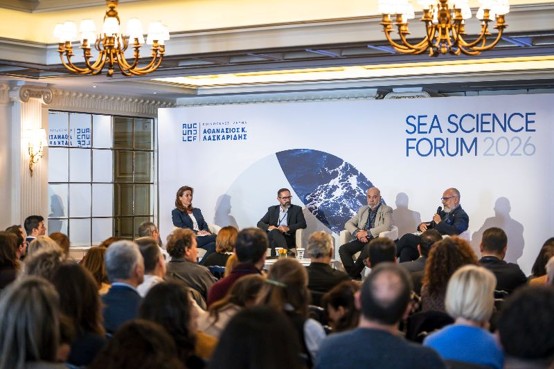
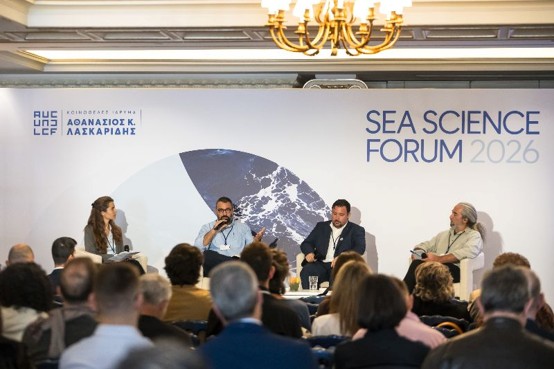
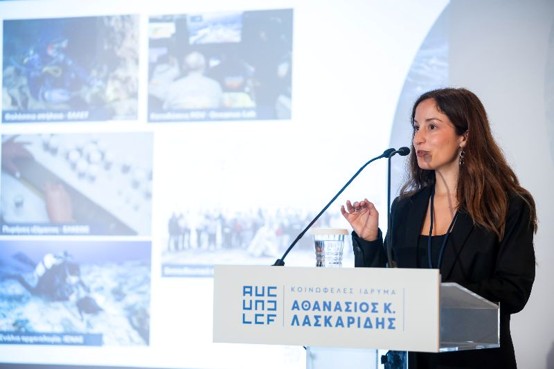
The final session was dedicated to best practices and next steps for protecting the sea, featuring Olympia Vikatos, Secretary General for Culture at the Ministry of Culture, highlighting the importance of underwater cultural heritage as an integral part of sustainable marine space management.
The most significant outcome of the first Sea Science Forum was the creation of a common meeting space for the Greek scientific, institutional, and environmental communities. Through this initiative, the Athanasios C. Laskaridis Charitable Foundation took on the organizational role of bringing together organizations that work daily for the sea, laying the groundwork for an ongoing dialogue that links science and data with decision-making.